In the world of automotive troubleshooting, jump starters frequently come into play, particularly when dealing with dead batteries. Over the years, I’ve encountered a range of issues with these devices, from their basic functionality to more subtle problems that can arise under specific conditions. Understanding these nuances can be crucial for both efficiency and safety when addressing a vehicle’s electrical needs.
One common observation is that many jump starters, particularly the portable lithium-ion models, can be sensitive to temperature extremes. In colder climates, I’ve noticed that their performance can drop significantly. A jump starter that works flawlessly on a mild day may struggle in frigid conditions, failing to deliver the necessary power to crank the engine. Conversely, excessive heat can also lead to battery swelling and reduced lifespan. It’s an interesting dichotomy that often catches users off guard, especially when they assume their device will perform consistently regardless of the weather.
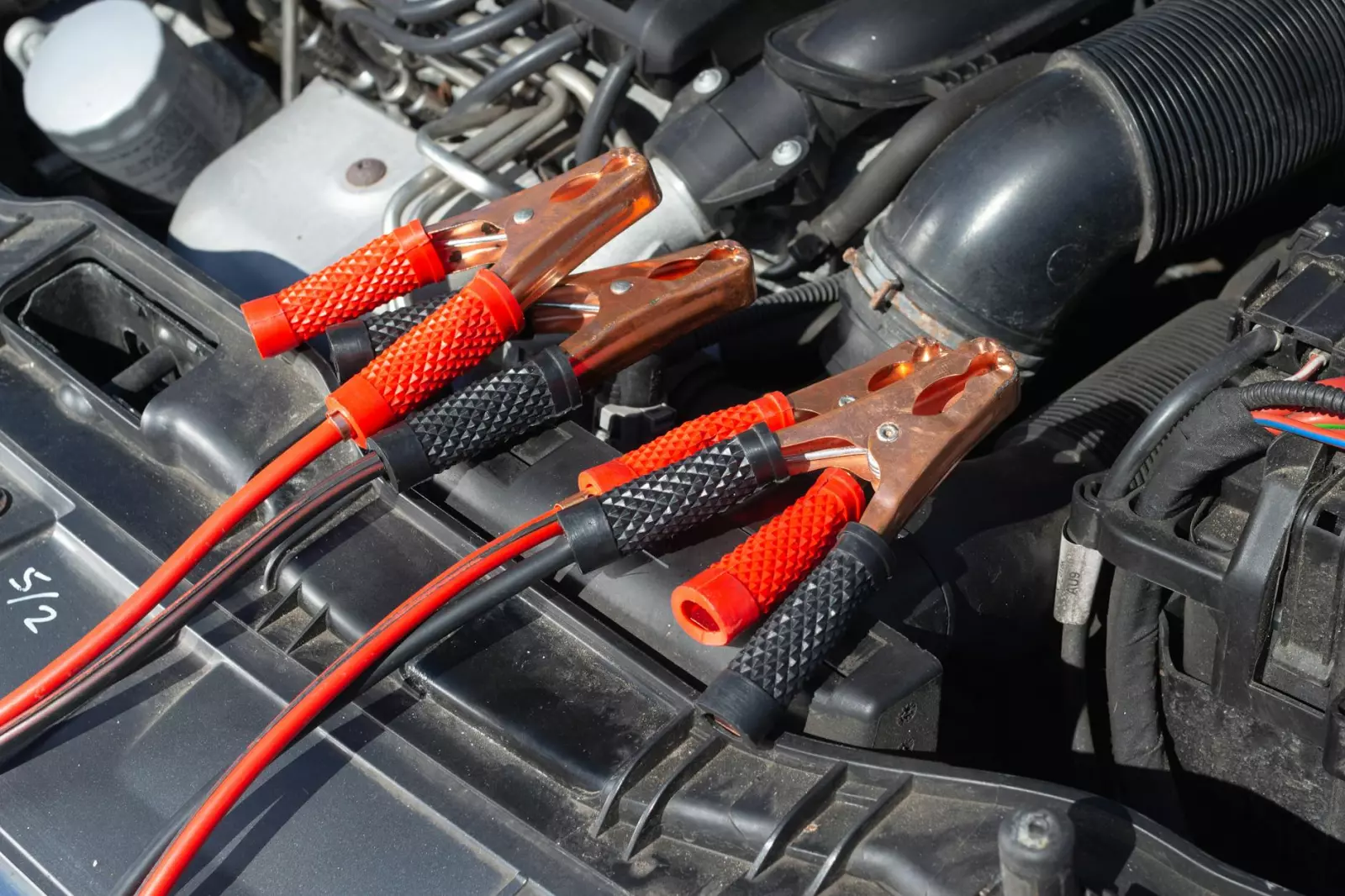
Another frequent issue is the connection between the jump starter and the vehicle’s battery. Poor connections can lead to insufficient power transfer, causing the starter to underperform. I’ve seen this happen when the clamps are not properly secured, or when corrosion has built up on the battery terminals. This corrosion can sometimes be overlooked, yet it plays a significant role in the efficiency of any jump-starting operation. A quick visual inspection can often reveal whether a connection issue is at play.
Battery Health and Jump Starter Limitations
It’s also important to consider the health of the vehicle’s battery. A jump starter can provide a boost, but if the battery is beyond recovery, the jump may only be a temporary fix. I’ve encountered scenarios where a vehicle starts with a jump but then dies shortly after. This often indicates that the battery is no longer holding a charge effectively. In such cases, relying solely on a jump starter can lead to frustration and potential damage to the vehicle’s electrical system.
Another aspect that often goes unnoticed is the capacity of the jump starter itself. Many users underestimate the power requirements needed for larger engines, especially in trucks or SUVs. While a smaller jump starter may suffice for a compact car, it might struggle with a V8 engine. This mismatch can lead to underwhelming results, where the jump starter simply doesn’t have the amperage needed to turn over the engine.
Maintenance and Care
Proper maintenance of the jump starter is equally vital. Over time, the internal components can degrade if the device is not used regularly or if it is stored in improper conditions. I’ve seen units that were left in a trunk for months, only to find they were rendered unusable when finally needed. Regular testing and charging can help ensure that the jump starter is ready when the time comes.
In my experience, jump starters are invaluable tools in the automotive toolkit, but they come with their own set of quirks and limitations. Observing the conditions under which they are used, understanding the relationship between the vehicle’s components, and maintaining the jump starter itself are all critical factors that contribute to a successful jump-starting experience. Recognizing these elements can save time and prevent unnecessary complications when dealing with a vehicle’s electrical system.