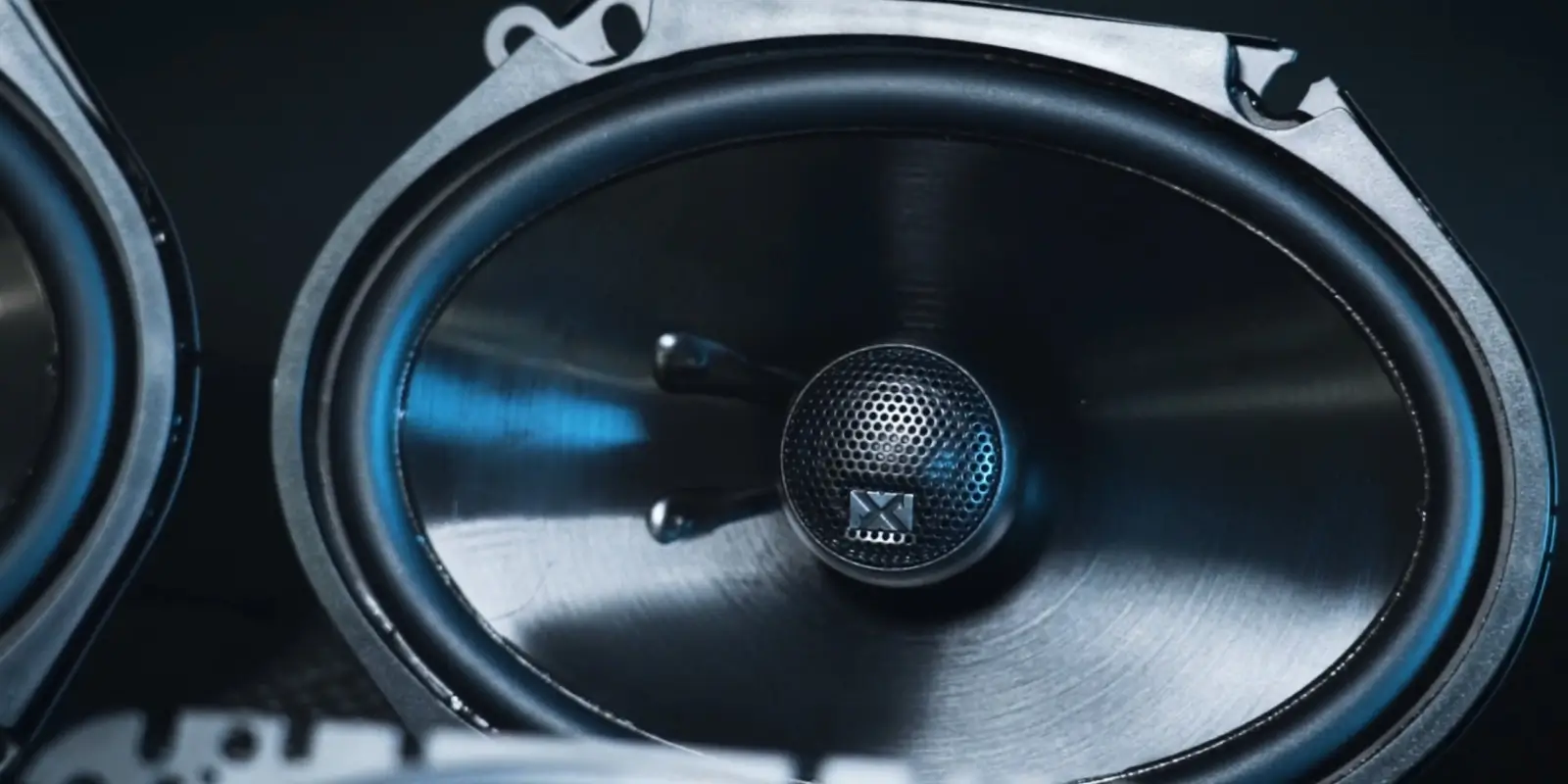
In the realm of automotive audio, 6×9 speakers have carved out a niche for themselves in various vehicle models, particularly in sedans and larger trucks. Their size allows for a decent balance of bass response and clarity, making them a popular choice for factory installations as well as aftermarket upgrades. However, my experiences with these speakers have revealed a range of common issues that can affect their performance over time.
One frequent problem is the deterioration of the speaker cone material. Many manufacturers use paper or foam surrounds that can degrade, especially in vehicles exposed to heat and sunlight. This deterioration often manifests as a rattling sound at higher volumes or a noticeable drop in sound quality. In climates with extreme temperature fluctuations, the materials can dry out or become brittle, leading to cracks and eventual failure. Replacing these components is often necessary, but it’s worth noting that not all replacements will deliver the same sound profile as the original equipment.
Mounting and Installation Concerns
Another issue I’ve encountered relates to the installation of 6×9 speakers. When not properly mounted, vibrations can cause the speakers to misalign, which can result in distorted sound. This is particularly true in vehicles with a lot of road noise, where the speakers are subjected to additional stress. It’s essential to ensure that the mounting brackets are secure and that the speakers are aligned correctly within their enclosures. A haphazard installation can lead to uneven sound distribution and can even damage the speakers over time.
Wiring is another critical aspect that often goes overlooked. Poor connections can introduce noise and reduce overall sound quality. In some cases, the wiring harness may be exposed to moisture or other elements, leading to corrosion. This is especially common in older vehicles where the wiring may not have been designed with longevity in mind. Regularly inspecting the connections and ensuring they are clean and secure can mitigate some of these issues.
Sound Quality and Performance Issues
As with any audio component, the quality of sound produced by 6×9 speakers can vary significantly between models. Some may excel in mid-range frequencies while lacking in bass, which can be particularly frustrating for those who appreciate a fuller sound. I’ve found that pairing these speakers with a subwoofer can help balance out the sound, but this requires additional installation and adjustment. Additionally, the power handling specifications should be matched to the head unit to avoid distortion at high volumes, which can lead to clipping and damage.
Over time, even well-maintained speakers can lose their efficiency. The voice coils can become misaligned due to thermal expansion or physical wear, resulting in decreased output. This is a gradual process but can be exacerbated by extended use at high volume levels. In my experience, keeping an ear out for unusual sounds or a decline in performance can be key indicators of underlying issues.
In conclusion, while 6×9 speakers can provide a satisfying audio experience in vehicles, they are not without their challenges. Regular maintenance, proper installation, and awareness of environmental factors can help extend their lifespan. However, as is often the case with automotive components, the best approach is to remain vigilant and responsive to any signs of trouble.